
Author Archive

5 Tips to be a Better Landlord

December 18th, 2009

Become a better landlord by using the following 5 tips for landlords to ward off problems before they even occur.

Screen Tenants

It’s important to screen every applicant before you choose them to be your tenant. Screen for criminal pasts, credit records, references, and job history. Learn as much as possible about their ability and propensity to pay their bills on time regularly. It’s also important that everyone be screened in the same way no matter what.

Warranty of Habitability

Each rental property comes with an implied warranty of habitability, it’s your job as the landlord to make sure that your property is livable throughout the residents’ stay. Learn state and local laws related to building codes, health and safety issues and maintain your property’s habitability.

Lower Crime Risk

Take steps to deter criminals from targeting your property by installing lighting, trimming hedges, installing smart key locks and any other steps that may be required or recommended by your local ordinances.

Be Accessible

Whether it’s the landlord themselves or an appointed property manager, make sure that you are accessible for tenants when they have issues and that you respond in a prompt manner. Whether they have a simple noise complaint or a safety concern, everything should be dealt with as promptly as possible.

Establish Protocol

Set a procedure for everything whether it’s just you running the business or a staff. It’s important that everything is handled the same way every time or you could be setting yourself up for discrimination suits.

How Much House can you Afford

December 15th, 2009

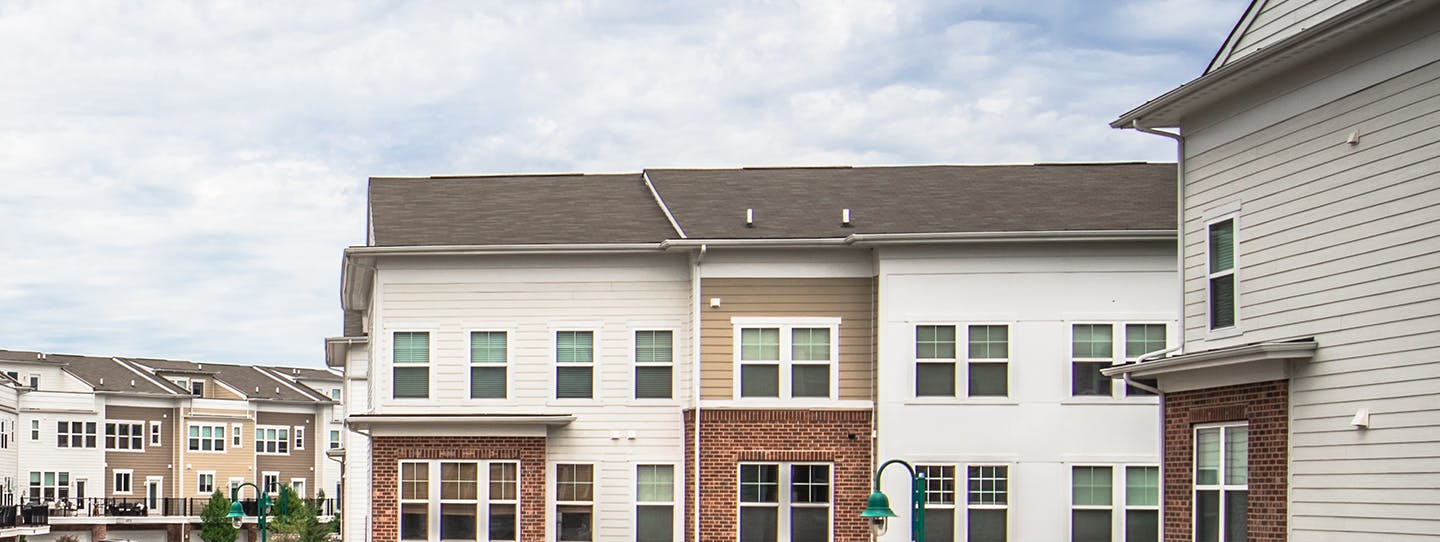
New Construction Exterior
Determining how much you can afford to borrow for a new home is the first step in finding a property you wish to buy. This is something you should estimate on your own, but it’s also something that your mortgage lender will be very concerned about.

The first step in determining how much you can afford to borrow is looking at your debt to income ratio. Then after looking at your current debt level and your income it’s time to look at the front end and the back end ratios.

The front end is the cost of the house. Determining a front end ratio is looking at how much of your gross monthly income will go to your mortgage. This means your principal, interest, taxes and insurance payments. The goal is to have the front end that is ideally less than 28% of your gross income.

The back end is figured by looking at how much of your total gross income goes to all debts, mortgage included. The goal is to have your back end stay under 36% of your gross income each month.

Both of these, the front end and back end ratios, are examined before your mortgage broker decides on how much you can borrow. Use the following percentages to figure out an estimate of what you can afford before you see a broker and you’ll be better prepared for their results.

Creative Commons License photo credit:?patriotweb

Adjustable Rate Mortgages

December 14th, 2009

An adjustable rate mortgage is often referred to as an ARM and the basic premise is that the interest rate changes with the market which means the monthly payments can also change.

Most adjustable rate mortgages have a fixed rate period where the rate is set at a certain level and doesn’t change, then this is followed by a period where the rate changes regularly. The hook here is that this fixed rate period is typically set at an interest rate that is less than the current rate and more inviting than a fixed rate mortgage which is why it’s a popular way to go.

With the adjustable interest rate you never know if it’s going to go up or down, this is the risk that people who opt for an adjustable rate mortgage agree to. In some cases people with an ARM do quite well with their loans and in others the interest rate has been known to sky rocket and any early savings earned during the low fixed rate period are wiped out.

There are different adjustable rate mortgages out there and each one has its own benefits and downfalls so research each ARM option carefully before you fall for the early honeymoon period low interest rate.

Fixed Rate Mortgages

December 11th, 2009

There are several different types of mortgages out in the market these days and most of them are pretty legitimate, a few years ago in the housing boom there were a number of unscrupulous mortgages that have since disappeared.

The most common and the most popular mortgage is the fixed rate mortgage. Fixed rate mortgages are pretty basic in that you pay your loan off at a set percentage range for a predetermined period of time, typically 15 or 30 years.

Fixed rate mortgages are popular with the masses because it’s simple with standard interest rates and payments that never change throughout the life of the loan. It depends on the mortgage company but these loans are fairly stable and are very predictable.

The 15 year fixed rate mortgages are popular with many because they build equity much quicker and the interest rates are lower than the 30 year loans.

The 30 year fixed rate mortgages are popular because the longer term spreads the payments out and makes it possible for the borrower to afford a higher priced home and have lower monthly loan payments.

There are advantages and disadvantages to both 30 and 15 year fixed mortgages but this type of mortgage, the fixed rate mortgage, is by far the most popular with both home borrowers and home lenders.

Avoid Responsibility for Crime on your Property

December 8th, 2009

Orlando Police FL
Landlords risk the possibility of being held responsible for criminal acts that occur on their property. Limit the chance of being liable in this situation by taking preemptive steps and then reacting appropriately if something does occur.

Security Laws

It’s important that landlords start with an awareness of state and local laws regarding tenant safety and then follow those laws to the T, installing proper locks, lighting and other safety precautions.

Tenant Education

Provide tenants with an information sheet that gives them tips to help prevent crime, you may even want to incorporate this information into regular newsletters, common area bulletin postings, and tenant meetings. Keep tenants vigilant and cautious as well.

Listen

Listen to tenants, professional contacts, local governmental officials, police officers or anyone who talks about crime in the area. Learn about the most common types and frequency of crime in your area and take steps to prevent it. Follow up on tenant security issues as promptly as possible.

Handle Tenants

If you have tenants engaging in illegal activities it’s important to take steps to immediately remedy the situation. Even if a tenant is paying rent on time and doesn’t require a lot of attention, if they’re committing crimes on your property and you know about it you can be held responsible. They’re also inviting an unknown quantity onto your property which could be catastrophic.

Creative Commons License photo credit:?conner395

Shelter in Place

December 7th, 2009

It’s something you see on the news more frequently, toxic spills that force a sort of quarantine where people are instructed to stay in their homes in rooms with very little ventilation. This is called shelter in place and for landlords and property managers it’s an interesting situation.

Property owners are expected to cooperate with public officials by letting people take shelter in place on their property. For landlords who own businesses this may be more challenging as the accommodations are not as homey as they would be in an apartment building. But even in an apartment situation the property owners are expected to take in all visitors, employees and others who happen to be on the premises.

Once you get a notice of shelter in place you should inform everyone and ask that they stay, although you cannot force them to stay. Lead them to the predefined safe places and bring any disaster supplies. Plastic sheeting, tape and garbage bags are extremely useful as they can block air leaks and prevent toxic fumes from entering the space.

Shelter in place orders rarely last for more than a few hours. If a chemical spill is especially large or toxic government officials will evacuate an area so shelter in place is really only for smaller contaminants.

Is the Landlord Liable

December 4th, 2009

Even if a landlord has insurance it doesn’t necessarily mean that they’re responsible for all injuries or accidents that occur on their property. Insurance also doesn’t mean that a landlord or property manager doesn’t have certain obligations to their tenants. In situations of actual injury or damage the landlord is liable in the following situations.

If a repair wasn’t attended to in a timely fashion and an injury occurred then the landlord will be liable for injuries and damage.

If the repair was attended to on the property but it was done in an improper way so that injuries could still occur or the repair would only be temporary.

If a serious injury was foreseeable if a repair wasn’t made. Not all repairs can lead to injuries but some are obvious hazards and should be taken care of as soon as possible. This also includes environmental hazards that could affect the health of tenants.

When a landlord or property manager is found liable for injuries and damage that occur on their property the insurance typically handles the claim but there are situations where the insurance may balk. Make sure you know your insurance plan inside and out and are aware what your responsibilities are.

5 Tips for Landlords

December 2nd, 2009

Being a landlord can be a very rewarding profession but like every profession it has its stumbling points and some hurdles to overcome. But by using the following five tips you can ease the stresses of being a landlord.

Keep up with Maintenance

Don’t wait for tenant complaints, keep the property in good condition at all times to prevent injuries and future damage.

Lower Crime Risks

Do what you can to make your property less appealing to criminals including stepped up security, no dark hiding places, appropriate night lighting etc.

Prepare for Emergencies

Establish policies for emergencies so employees and tenants are all aware of the steps to take and know what to do and expect.

Screen Tenants

Establish a thorough process for screening tenants and then stick to it for each and every tenant no excuses.

Be Available

Either you or your staff should always be available to tenants concerns, complaints or even compliments. Let tenants know that they matter and create a feeling of mutual respect.

The tips listed above are not the only ways to succeed as a landlord or property manager, but by following these suggestions you’ll find the entire process is a little easier for everyone involved.

From Renter to Home Owner

December 1st, 2009

Back of the house, from the field
Making the transition from renter to home owner is exciting, instead of giving someone else that monthly check you?re putting it toward your home’s equity.

But there are other things to consider when purchasing a home, like the additional costs. Of course you?ll have your monthly mortgage payments but there are more costs associated with owning a home like property taxes, home owner?s insurance, closing costs, maintenance fees, and then the dreaded emergencies.

Another thing you have to consider before making the switch from renting to owning is the commitment. You?re certainly not tied to your home forever but moving is much more involved and difficult than it is when you?re a renter. If you?re not committed to the area then holding onto the freedom of being a renter may be worth it for you.

The freedom that comes with renting also includes the freedom from having to worry about maintenance and upkeep. Of course it?s up to you to keep the interior of your apartment in good shape or you?ll have to pay when you move out, but typically the exterior is maintained without the renter?s assistance. When you own a home you?ll either be responsible for doing all of the maintenance or for hiring and paying someone else to do it.

So there are plusses and minuses on either side of the coin, you just have to look at your particular situation and decide what means the most to you and whether you?re ready to make the change from renter to home owner.

Creative Commons License photo credit:?tomeppy

Preapproval Letter for Home Buyers

November 27th, 2009

If you?re thinking about investing in a new home you may find that having a preapproval letter from a mortgage lender is a great way to start. The preapproval letter isn?t necessary but it can help you seal the deal and speed up the process once you find the home you want.

Preapproval letters hold more clout than prequalification letters and the extra paperwork will let you know exactly how much the lender is willing to give you. Sellers tend to prefer working with a buyer that is preapproved because the there is no question about whether they will qualify for a loan and how much they can get. If there is a bidding war the preapproval letter can be key in swinging things your way.

You may also find that realtors are a bit more zealous when you have a preapproval letter as it signals to them that you?re serious about making a purchase.

While a preapproval letter may help you throughout the home buying process it doesn?t necessarily guarantee you?ll get the amount you?re preapproved for. The bank does reserve the right to learn about the property to make sure it?s worth the investment. Preapproval letters are also limited to a certain amount of time so if your preapproval letter expires you?ll have to get a new one and complete all the paperwork again.